
Four Sites That Decide the Rugged Power Supply Spec
Rugged power supply for high-altitude mining, desert substation, railway electrification and off-grid telecom — four sets of conditions, four different answers
Four sites, four failure modes
A mining power supply at 4000 m is a derating problem before it is a product decision. A DC system in a desert substation is a thermal problem. A railway power supply on a vehicle is a vibration and input-range problem. A telecom power supply on an off-grid site is a battery and service-interval problem. Each of the four pages below covers what the site does to the equipment and the derating that follows from it.
What all four have in common is that the site conditions, not the catalogue, decide the specification — and that an outdoor power supply or an off grid power supply quoted for one of them is usually wrong for the other three.
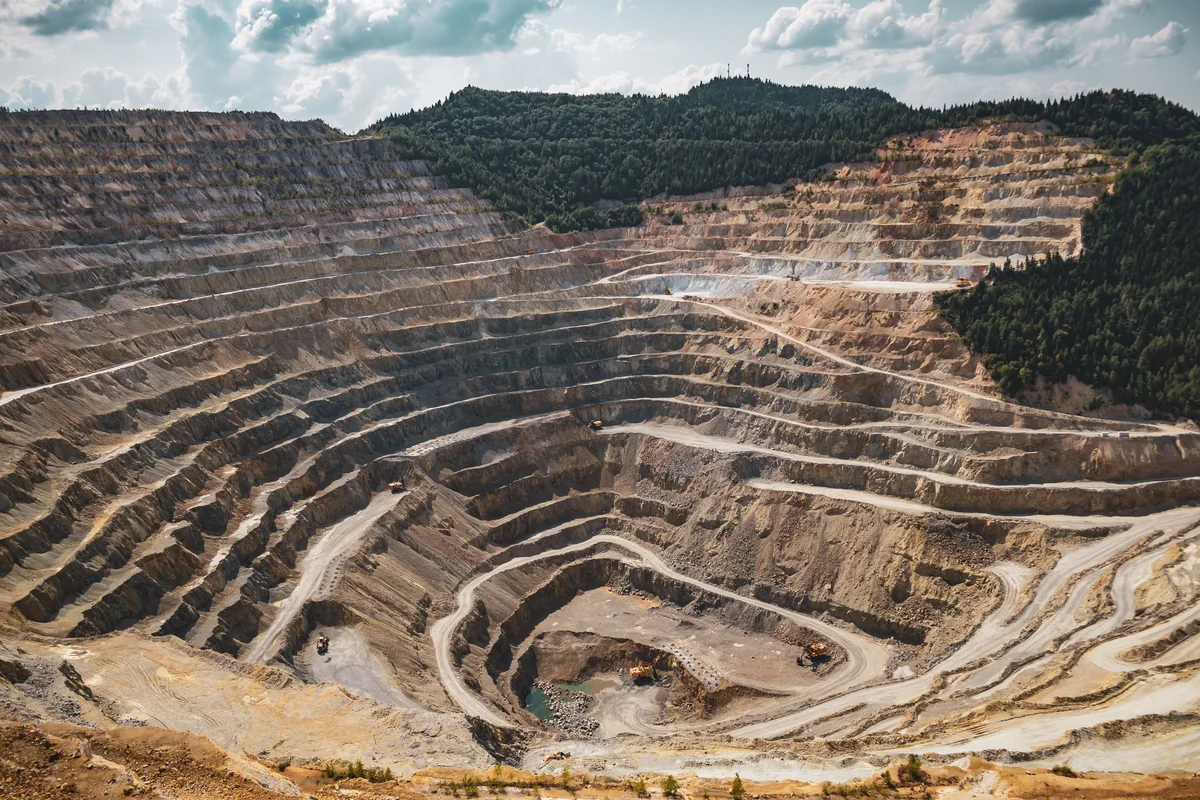
01High-Altitude Mining
Air pressure 61 % of sea level, −30 °C cold start, gensets losing 3 % per 300 m. Derating before product selection.
Open page
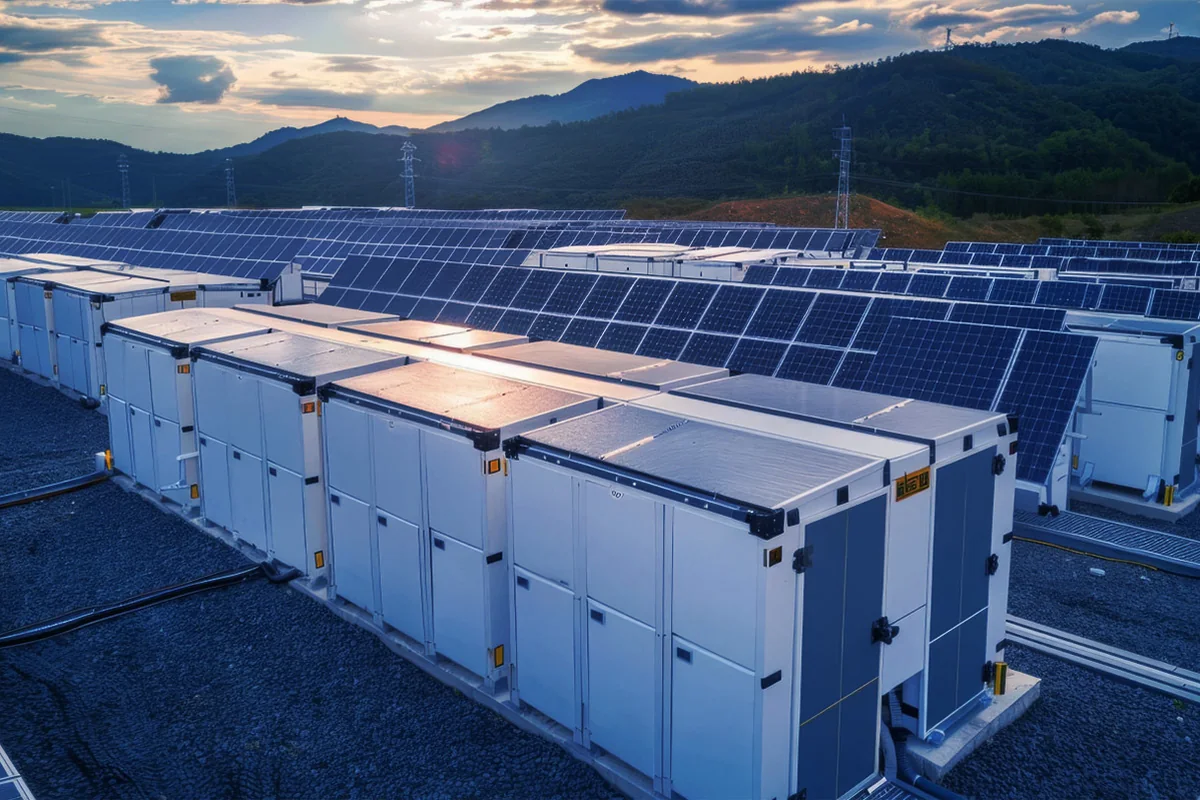
02Desert Substation
+55 °C ambient and 70 °C inside the cabinet. A cooling and enclosure problem before it is an electrical one.
Open page
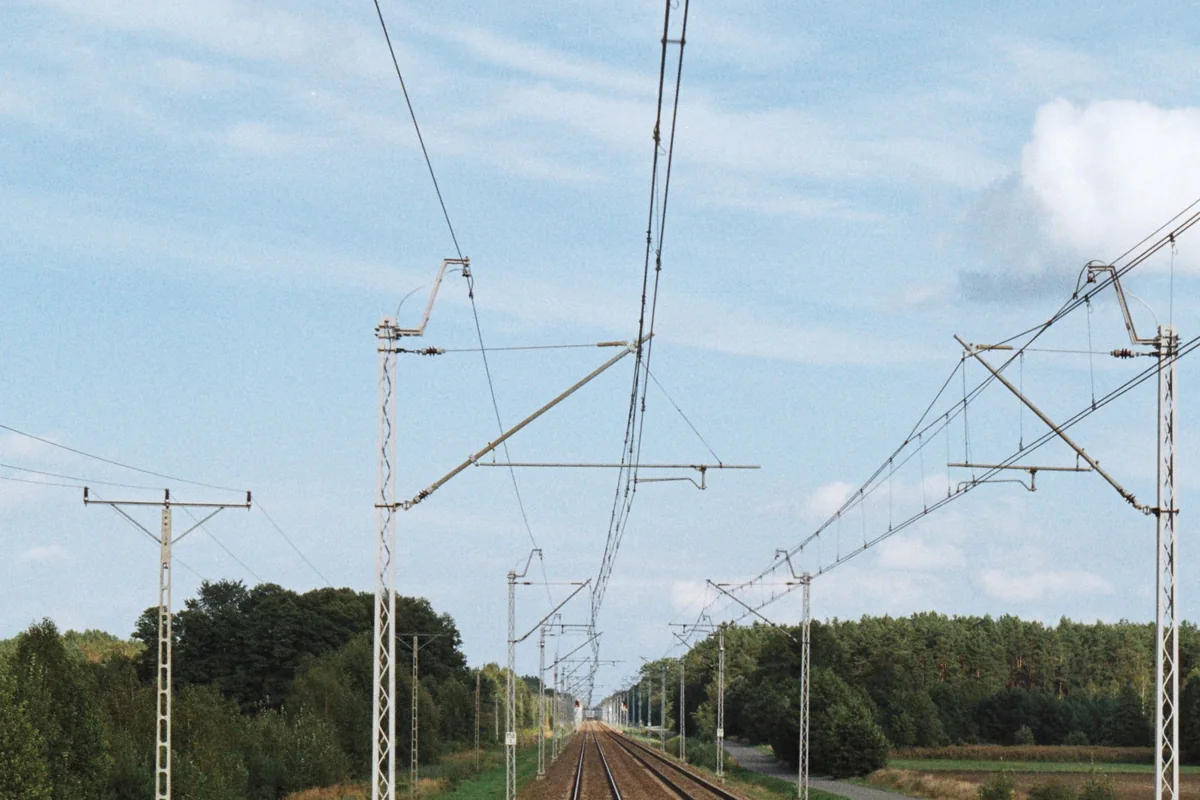
03Railway Electrification
0.6–1.25 × nominal input range, 10 ms interruptions, EN 61373 vibration, temperature class set by mounting.
Open page
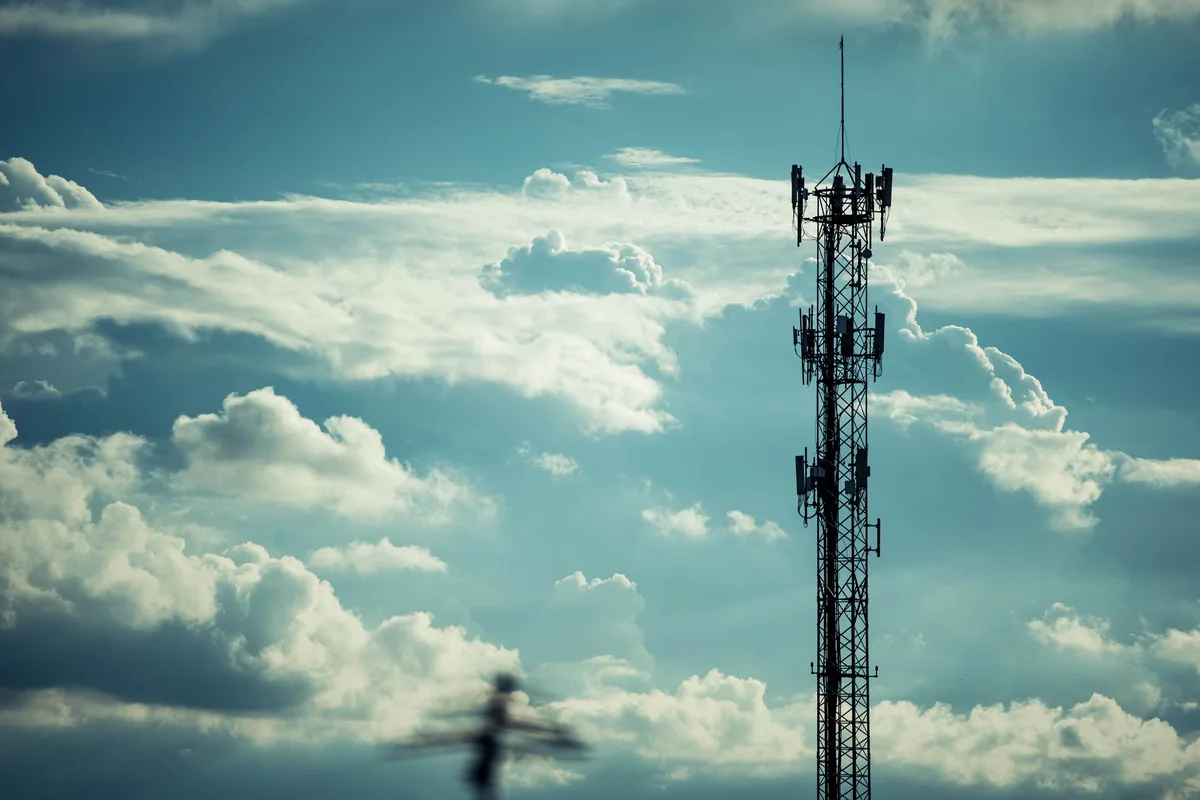
04Off-Grid Telecom
Diesel, PV and battery on one 48 V bus, −40 °C winter start, 6-month service intervals.
Open pageRugged power supply: four sites, four failure modes
Temperature range, altitude, input, output, load profile, quantity, deadline. That is enough to start.
Open an inquiryStandards referenced on this page
- IEC 60664-1 — Insulation coordination, the basis of the altitude derating