
Isolated DC DC Converter, Wide-Temperature Range
Isolated DC DC converter: 9–160 V DC input, 12 / 24 / 48 / 110 V output, −40 to +85 °C baseplate, dc dc converter module and EN 50155 options
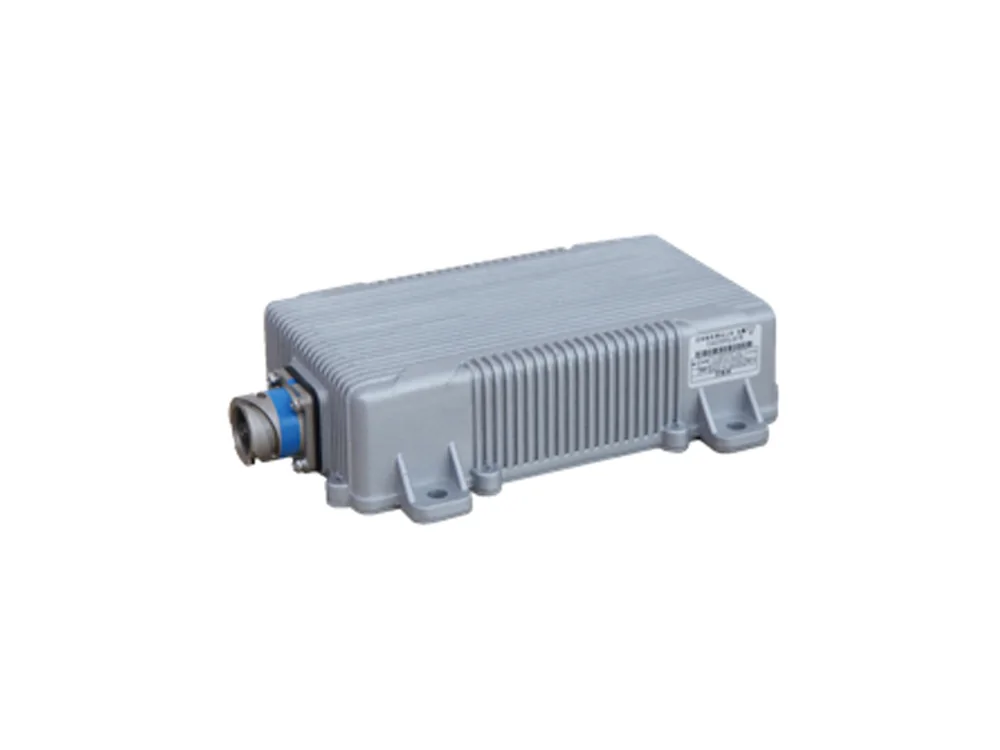
Control power on mobile plant is a different problem from control power in a cabinet. A wide-temperature dc/dc converter that has to work at −40 °C on a locomotive roof and +85 °C next to a traction motor is specified by its temperature range first and its wattage second. A wide input dc dc converter, a step down dc dc converter and a bidirectional dc dc converter share the same thermal and mechanical platform, although the bidirectional variants use their own power stage.
Isolated dc dc converter features: what the temperature range buys you
A standard dc dc converter is rated to +70 °C ambient with derating above +50 °C. A wide-temperature module holds full output to +85 °C baseplate and starts at −40 °C without a heater — which is the difference between a unit that works on a northern railway and one that works in a temperate control cabinet.
Two numbers decide whether a module survives your site: the baseplate temperature (not the air temperature) and the mounting orientation. A module bolted to a steel plate runs 15–25 °C hotter than the same module in free air, so we size against the plate, not the room.
Applications
- Locomotive and multiple-unit auxiliary supplies on 110 V or 24 V buses, mounted under-floor or on the roof.
- Mining plant control power — shovels, crushers and conveyors where the panel sits next to the drive.
- Telecom and SCADA cabinets at −40 °C with no heater in the enclosure.
- Battery-backed control circuits on mobile plant, where the bus sags during starting.
- Enclosures next to a traction motor or a brake resistor, sized against the measured plate temperature.
The ratios we quote most
| Model | Output | Notes |
|---|---|---|
| DT-2412 | 24 → 12 V, 300 W | Battery-backed control power |
| DT-4824 | 48 → 24 V, 600 W | Telecom and SCADA cabinets |
| DT-7212 | 72 → 12 V, 150 W | Vehicle auxiliary supply |
| DT-11048 | 110 → 48 V, 1000 W | Railway electrification bus |
| DT-9624 | 96 → 24 V, 1500 W | Mining plant, wide input |
Technical features
| Parameter | Value |
|---|---|
| Input range | 9–36 V, 18–75 V, 40–160 V DC nominal |
| Output | 12 / 24 / 48 / 110 V DC, 50–1500 W |
| Efficiency | 88–94 %, depending on ratio and load point |
| Isolation | 1500 V DC input to output, 2500 V AC to chassis |
| Operating temperature | −40 to +85 °C baseplate, full output |
| Storage temperature | −55 to +105 °C |
| Protection | Input under-voltage lockout, output over-current, over-temperature, reverse polarity |
| Cooling | Conduction through baseplate, no fan |
| Standards | EN 50155 (rail), EN 50121-3-2 (EMC), IEC 62368-1 |
When it goes on rolling stock
A vehicle installation adds three requirements a cabinet module never sees: EN 50155 supply-range tolerance (0.6–1.25 × nominal, with a 10 ms interruption ride-through), vibration and shock per EN 61373 category 1 class B, and fire behaviour per EN 45545-2. We quote those as a variant, not as a marketing line — the module is a different part number with a conformal-coated board and a clamped chassis.
Choosing between a converter and a full dc system
If you only need to change a voltage, buy a dc/dc converter. If you need battery backup, distribution, alarms and charging on the same bus, you need a DC system with the converter as one component. Most of our enquiries start as the first and turn out to be the second.
Mounting, torque and thermal contact
Conduction cooling only works if the contact is real. The baseplate must be flat within 0.1 mm, and a thin, even layer of thermal compound beats a thick one. Mount with the specified torque on all fixings, because an unevenly clamped module runs hot on one corner and fails there first. Leave the clearance the datasheet asks for above and below, and do not mount a module directly against a brake resistor or a traction motor without measuring the local temperature first.
Send us the numbers
Send the input range, the output voltage and current, and the hottest and coldest baseplate temperature the module will see. You get a part number and a derating curve.
Standards referenced on this page
- EN 50155 — Electronic equipment used on rolling stock
- EN 50121-3-2 — EMC for apparatus on rolling stock
Frequently asked questions
QWhat does wide temperature actually mean on a DC/DC datasheet?
Read it as two separate numbers. The operating range is where the unit meets its electrical specification. The start-up limit is where it will begin working at all. A module rated −40 to +85 °C for operation may only guarantee a start at −25 °C unless the datasheet says otherwise. If you need a cold start at the bottom of the range, ask for that line specifically and check that it exists in writing.
QWhy does the output power fall as the temperature rises?
Because the losses have to go somewhere. A converter is limited by the junction temperature of its semiconductors and by the ratings of its magnetics and capacitors, and a hot ambient leaves less headroom before those limits are reached. The derating curve is the manufacturer telling you where the real boundary is. Design to the curve at your worst-case ambient, never to the headline power figure on the front page.
QDo I need EN 50155 for a converter that is not on a train?
Usually not. EN 50155 is a rolling stock standard and evidencing it is expensive. It becomes relevant if the converter sits on rolling stock or inside the signalling power chain, or if the tender names the standard together with a class. In a trackside cabinet or a station technical room, a well-specified industrial module with an honest temperature rating is normally the correct and cheaper choice.
QWhat is conformal coating, and when does it matter?
A thin protective layer over the assembled board, applied against condensation, salt, dust and chemical contamination. It matters wherever the enclosure breathes, which describes most outdoor and most underground equipment. The catch is that coating is a process qualification, not a tick box: ask for the process certificate, and ask what it covers, because a board coated everywhere except the connectors has not solved the problem.
QHow much input range do I really need?
Match it to the supply, then add margin for the transient you have not measured. A nominally 24 V system on a vehicle or on a battery string sees a much wider range than 24 V, particularly during engine start or at the end of discharge. A 9 to 36 V input covers most 24 V nominal systems including those excursions. Specifying a narrow input range because the nominal happens to be 24 V is a common and avoidable failure.
QWhat is the minimum order quantity?
Five pieces for a standard wide-temperature module, with the unit price falling noticeably at 50 and again at 200. Below five it is normally cheaper and much faster to buy a stocked industrial module from a distributor than to run a sourcing case. Evaluation samples are quoted separately from production, and they are usually shipped before the production slot is booked.
Size the converter on baseplate temperature, not on ambient
Input range, output voltage, baseplate temperature and the mounting surface decide whether a module survives a site. The configurator asks for those four and returns the family and the derated power, so the figure you compare between suppliers is the same figure.